
A study on the prosecution of those involved in enforced disappearances was presented to diplomatic missions and international organisations
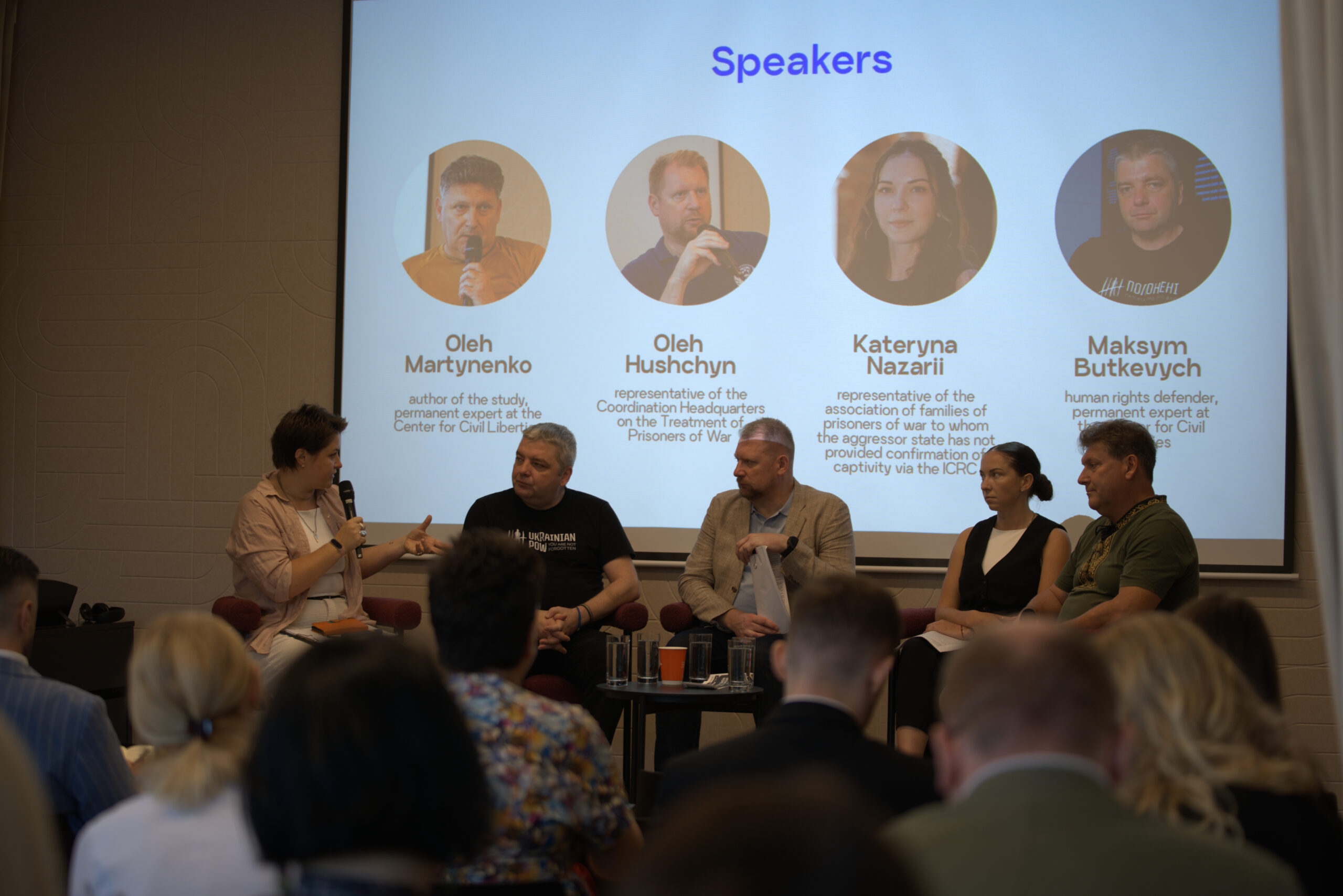
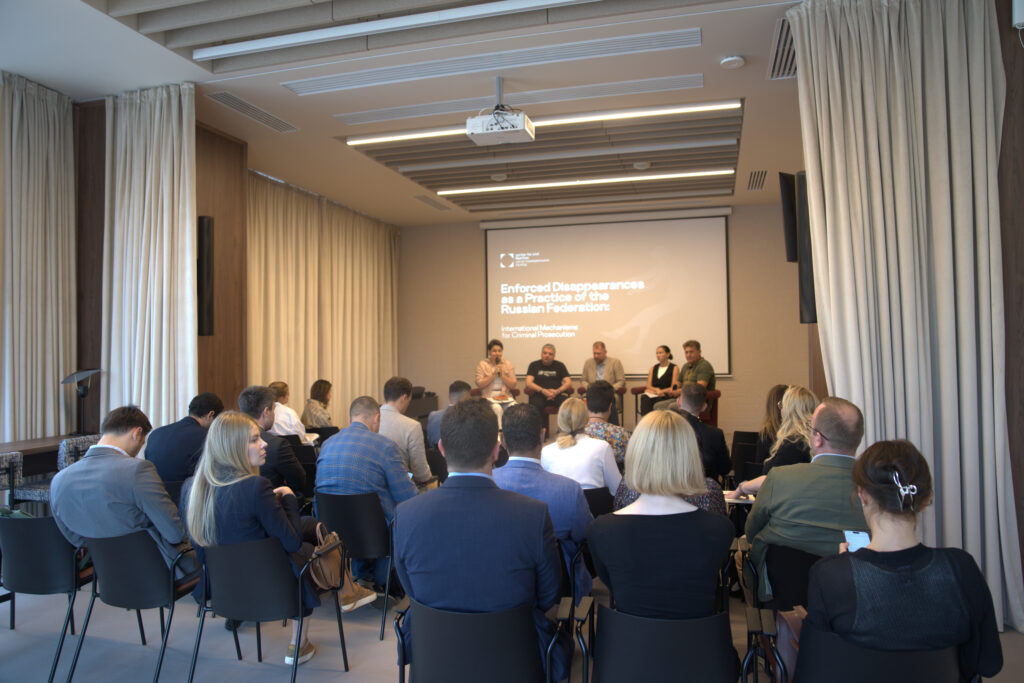
On 3 September, the Center for Civil Liberties presented the study ‘Enforced Disappearances and the Principle of Universal Jurisdiction: Possibilities for the Criminal Prosecution of Russian Citizens’ to representatives of embassies and international organisations. The study examines the possibilities for prosecuting those involved in enforced disappearances in countries most frequently visited by Russian citizens.
The discussion was joined by Oleh Martynenko, the study’s author, a member of the Center for Civil Liberties’ Expert Council, Doctor of Law, criminologist and veteran of Russia’s war against Ukraine; Kateryna Nazarii, a representative of the Association of Families of Prisoners of War, whose captivity has not been confirmed by Russia through the International Committee of the Red Cross (ICRC); Oleh Hushchyn, a representative of the Coordination Headquarters on the Treatment of Prisoners of War; and Maksym Butkevych, a human rights defender and permanent expert at the Center for Civil Liberties. The discussion was moderated by Oleksandra Romantsova, Executive Director of the Center for Civil Liberties.
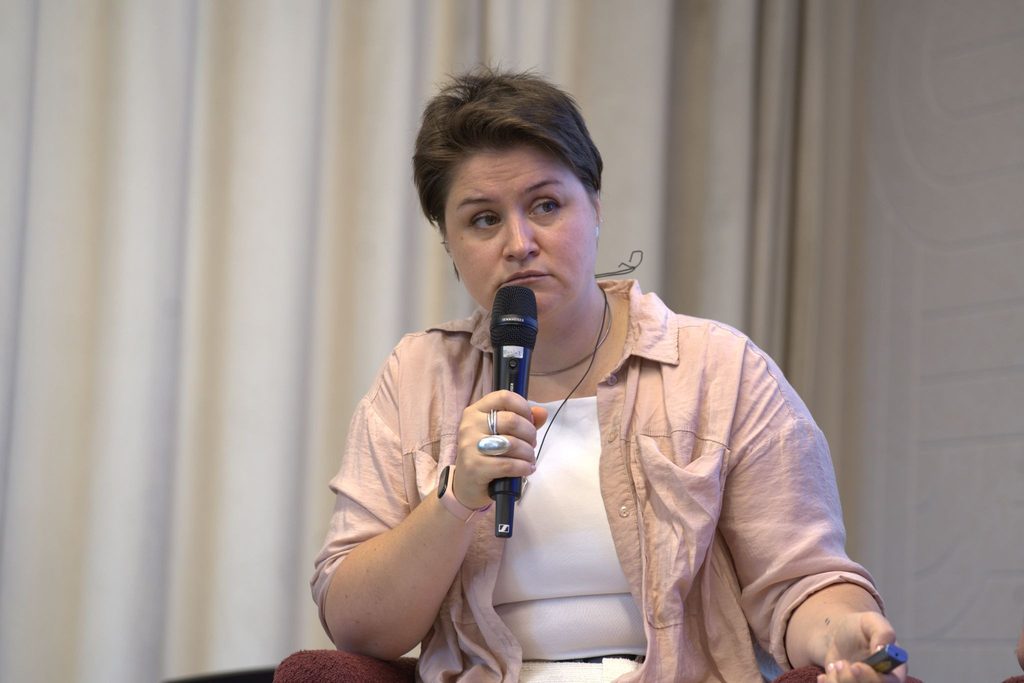
Oleh Martynenko presented the main findings and recommendations of the study. Of particular importance in this regard is the joint statement by the UN Committee on Enforced Disappearances. In it, the crime of enforced disappearance is recognised as a peremptory norm of international law.
«Consequently, any state must prosecute the crime of enforced disappearance – regardless of whether it is a party to the International Convention for the Protection of All Persons from Enforced Disappearance – by applying the principle of universal jurisdiction», explains Oleh Martynenko.
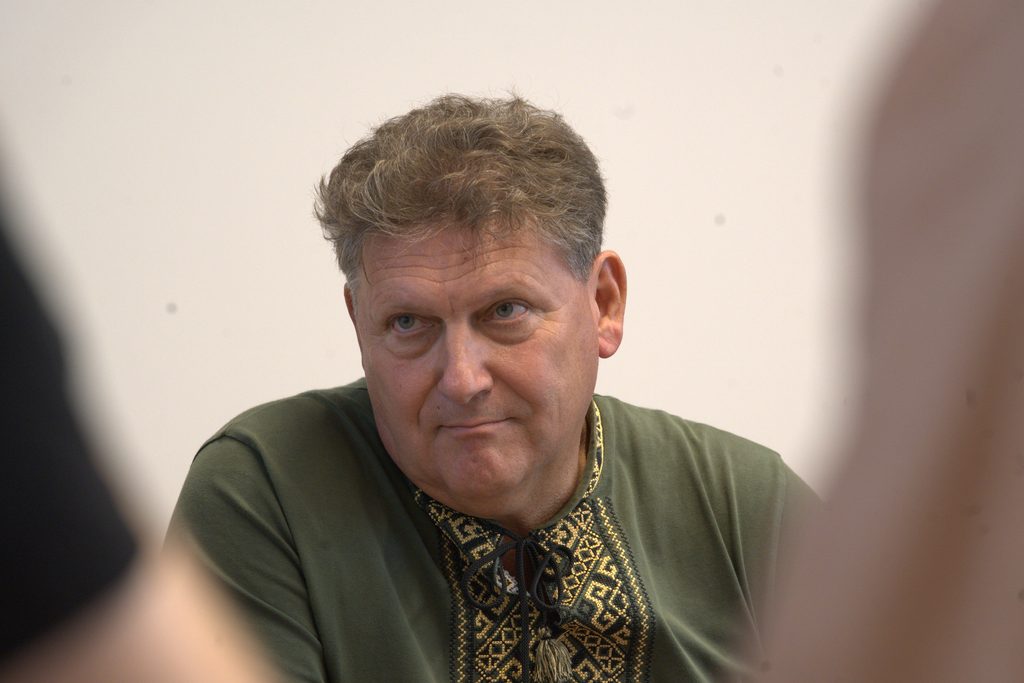
The author of the study analysed the legislation of 26 states, primarily those that share a border with Russia or are most frequently visited by Russian citizens.
In 11 of the 26 countries (42%), universal jurisdiction formally exists, but it can generally only be applied when the victim is a national of that state. In a further 20 countries (77%), the suspect must be present on their territory for prosecution to begin. In practice, therefore, universal jurisdiction often functions as a ‘wait-and-see’ system.
«In the recommendations of the study, we outline a course of action that takes these factors into account. Ukraine must, first and foremost, monitor the movements of those involved. Subsequently, Ukraine must notify the relevant country that a suspect is on its territory, provide evidence of that person’s guilt fairly quickly, and prepare an extradition request», emphasises Martynenko.
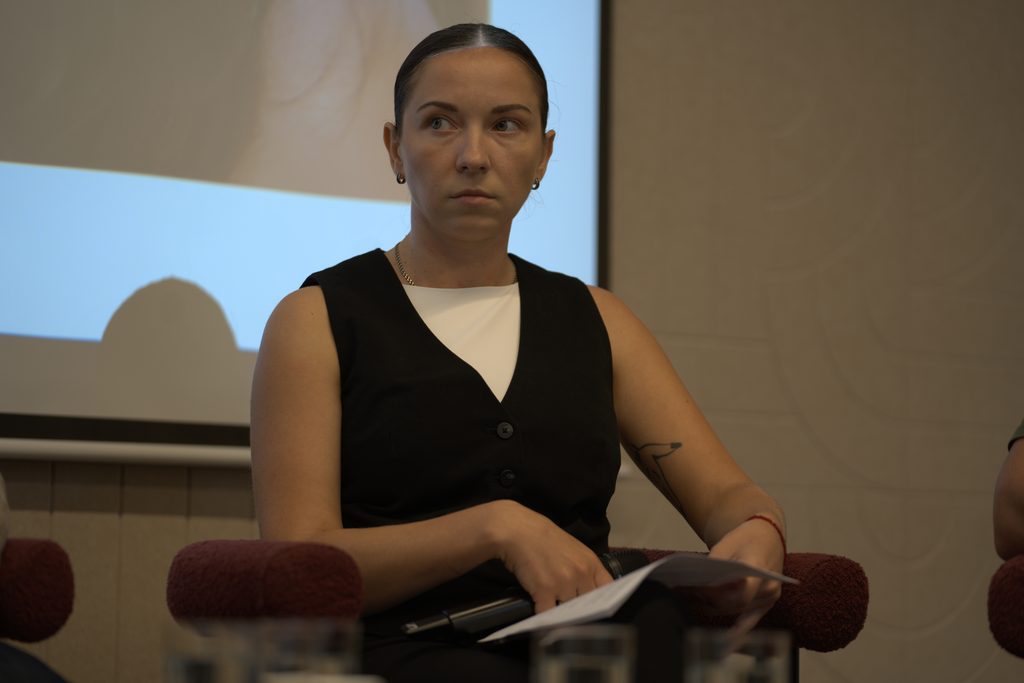
Kateryna Nazarii, whose husband is being held captive in Russia, described how the families of victims of enforced disappearances are trying to find out at least something about them. Often, they do not even know where their loved ones are or what their state of health is. Furthermore, Russia blatantly disregards the Geneva Conventions, having completely blocked Ukrainian prisoners’ right to humanitarian correspondence.
«The worst thing is that my husband is in an information vacuum. He doesn’t know whether anyone is waiting for him or not», notes Kateryna Nazarii.
The only information the families of prisoners receive comes from reports by the Coordination Headquarters, as well as accounts from those released from Russian captivity. Kateryna Nazarii points out that the lack of information about the prisoners may be due to both manipulation by the Russian side and gaps in internal communication within Russian state bodies.
«The outcome is dire: the only thing the unconfirmed prisoners have right now is the chance of remaining in captivity forever», emphasises Kateryna Nazarii.
Oleh Hushchyn notes that Ukraine is currently trying to find new ways to prosecute Russian war criminals. He stresses that although 1,100 suspected war criminals have been officially recognised, in reality there are far more.
«Our aim is to bring to justice not only the 1,100 suspects, but everyone involved in enforced disappearances», emphasises Oleh Hushchyn.
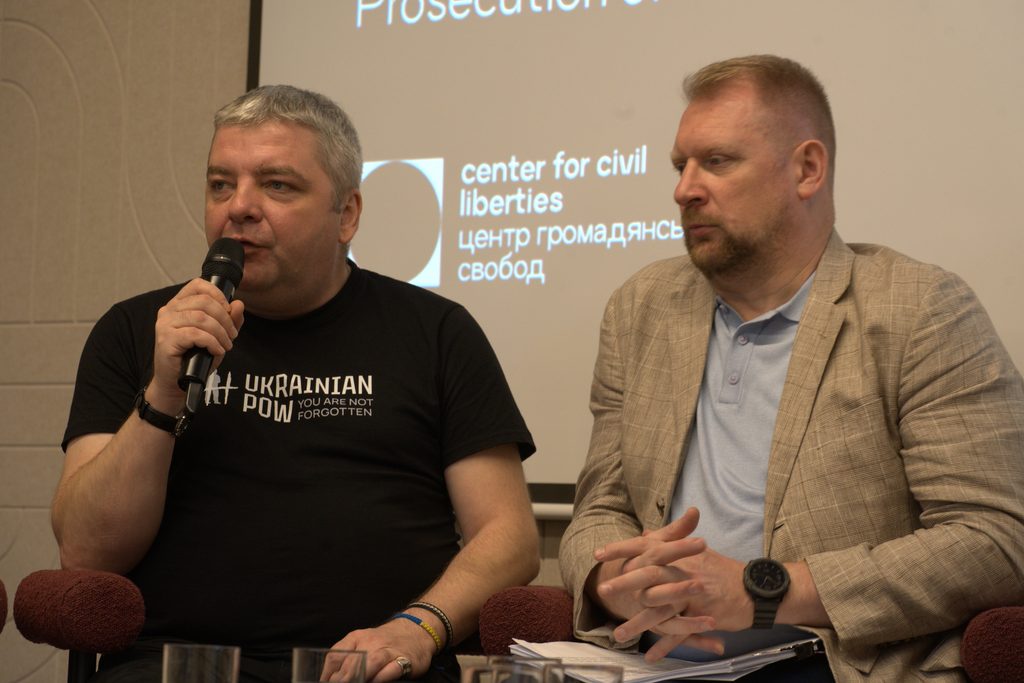
Maksym Butkevych stresses that Russia is not complying with the provisions of humanitarian law: «There are no separate facilities for holding prisoners of war. And the prisoners themselves are being held incommunicado – cut off from contact with their families and the Ukrainian state».
Using the example of his own release, Maksym Butkevych explains why pressure from the international community is key to securing their release.
«After I was transferred to a prison in the occupied territory, the Russian side acknowledged that I had a lawyer, but did not disclose my whereabouts. I had disappeared from the outside world. It was only after a submission to the UN Working Group on Enforced or Involuntary Disappearances and questions from international correspondents to representatives of the Russian Federation that the Russian side informed my lawyer of my whereabouts. It is common practice to transfer prisoners between different locations without notifying the outside world».
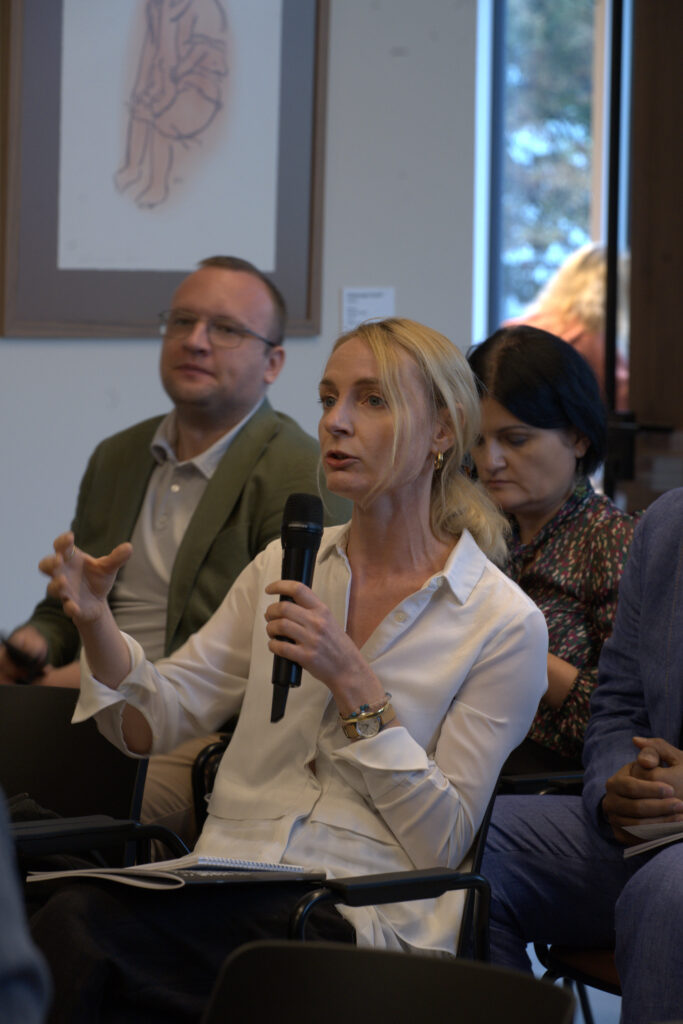
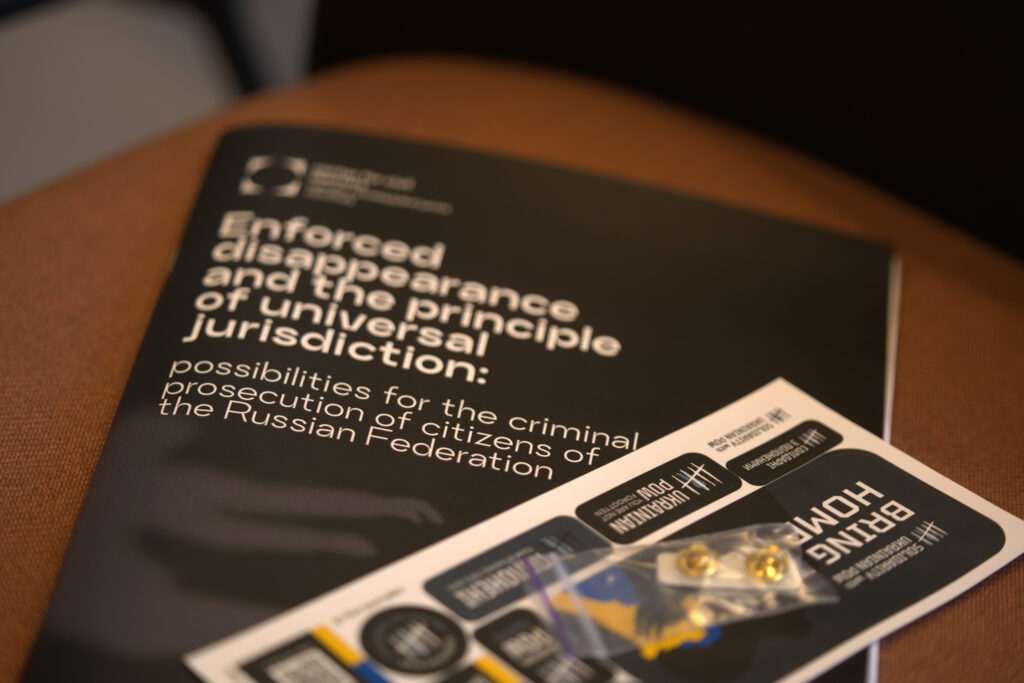
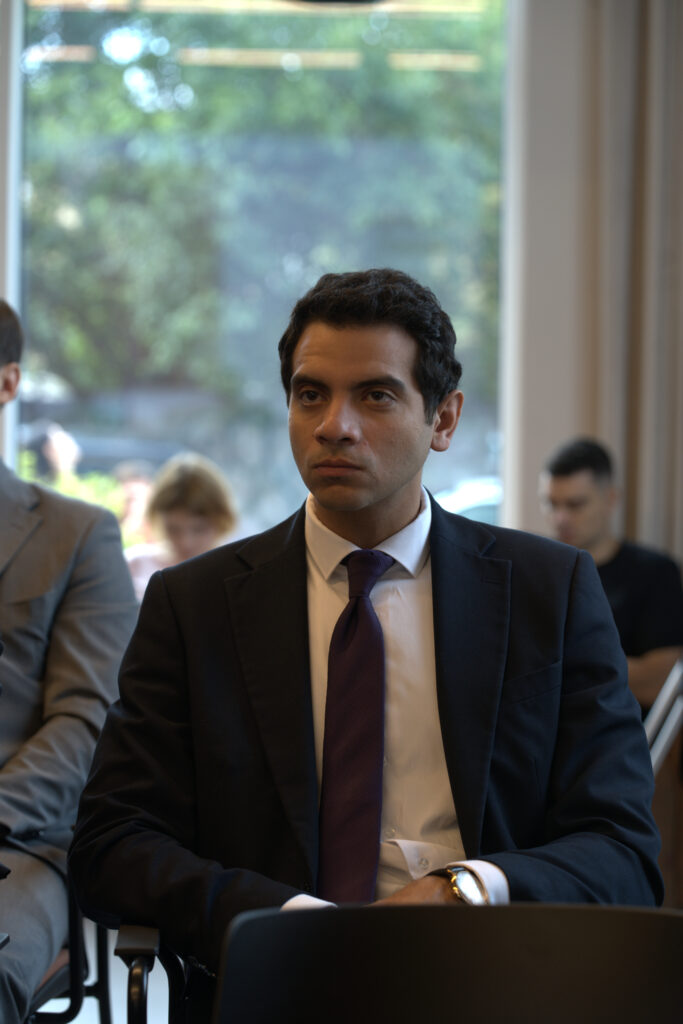
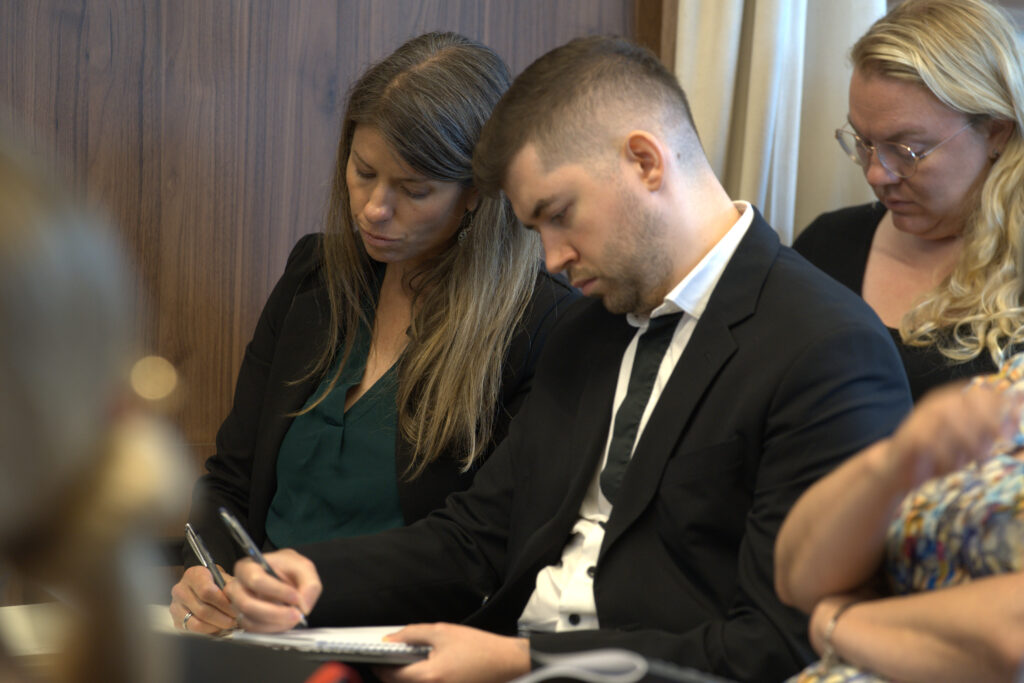
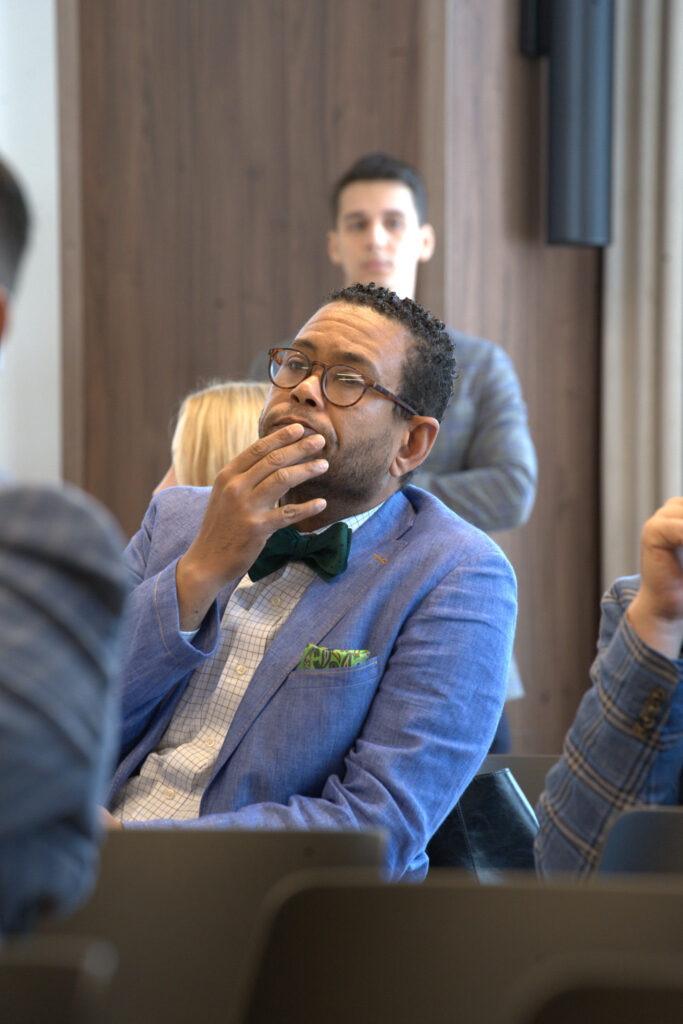
The discussion of the study concluded with questions from representatives of embassies and international organisations: on how the international community can help people who have been forcibly disappeared, as well as support their families. The main advice from the panellists was to disseminate information and demand that Russia confirm the whereabouts of the detainees and ensure their return.
Author: Kateryna Tamakhina, a participant in the Center for Civil Liberties’ practical communications programme.