Russian Medical Personnel Torture Ukrainian Captives — New Study by the Center for Civil Liberties
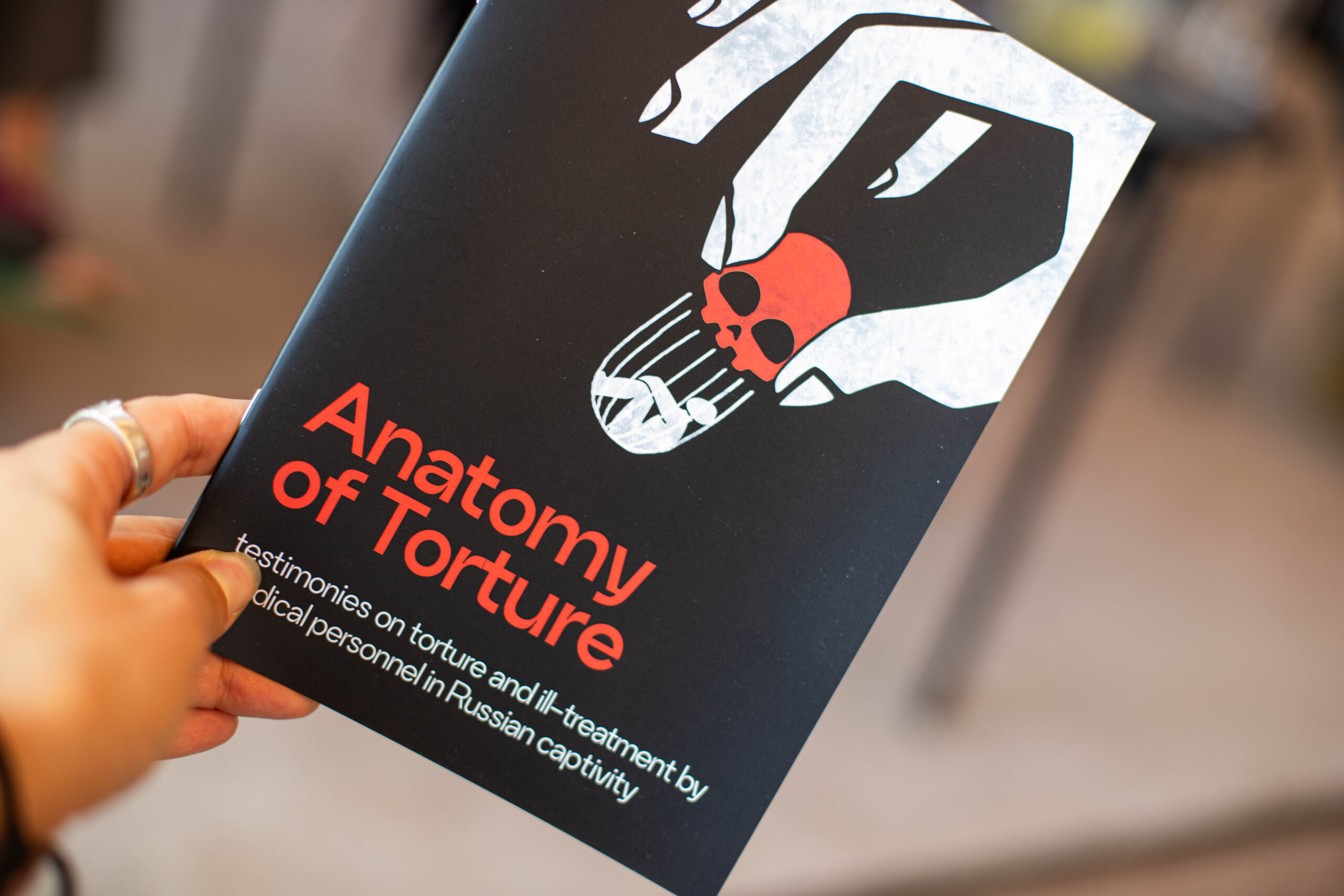
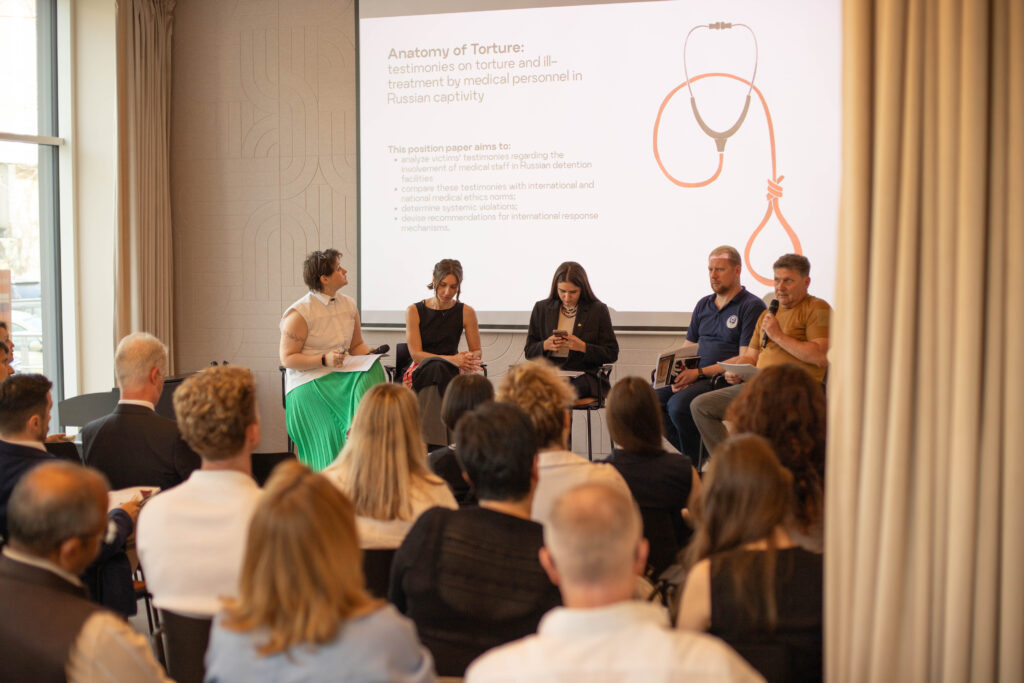
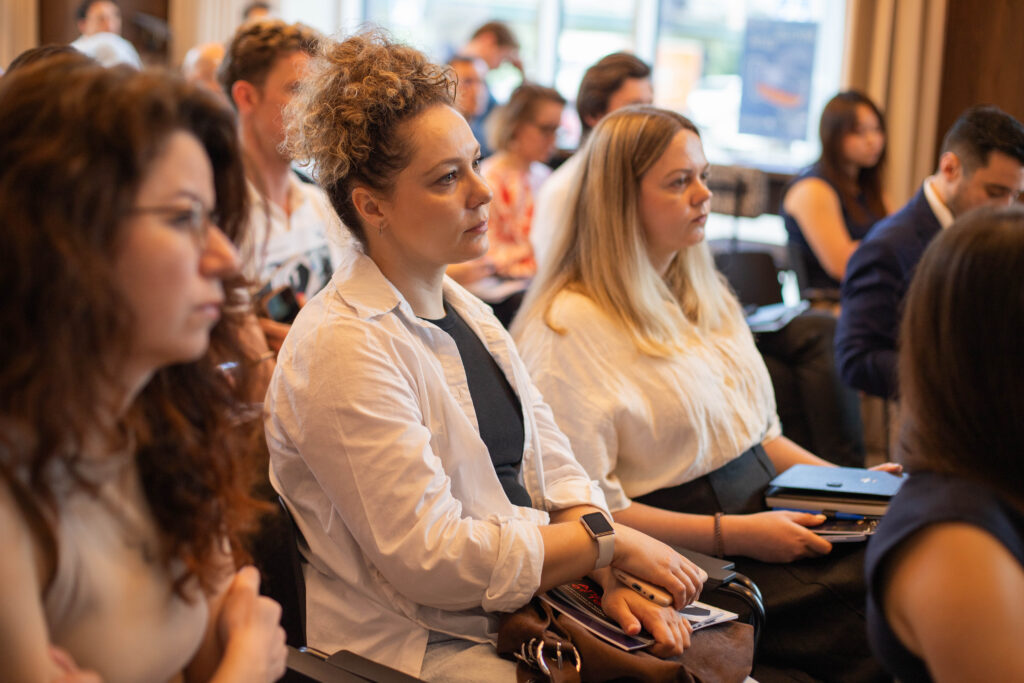
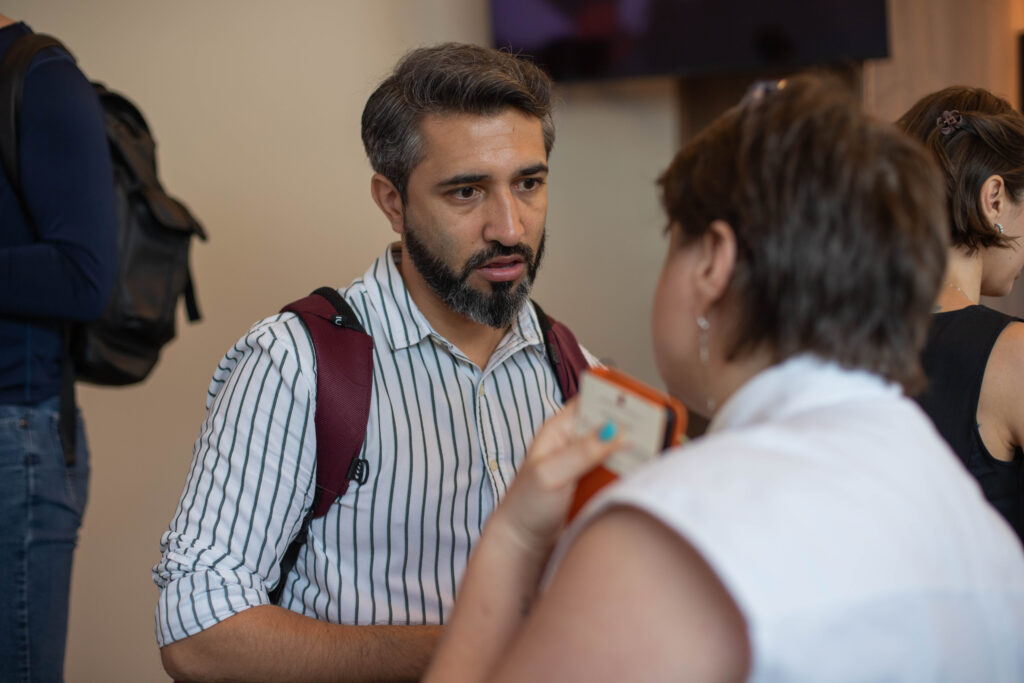
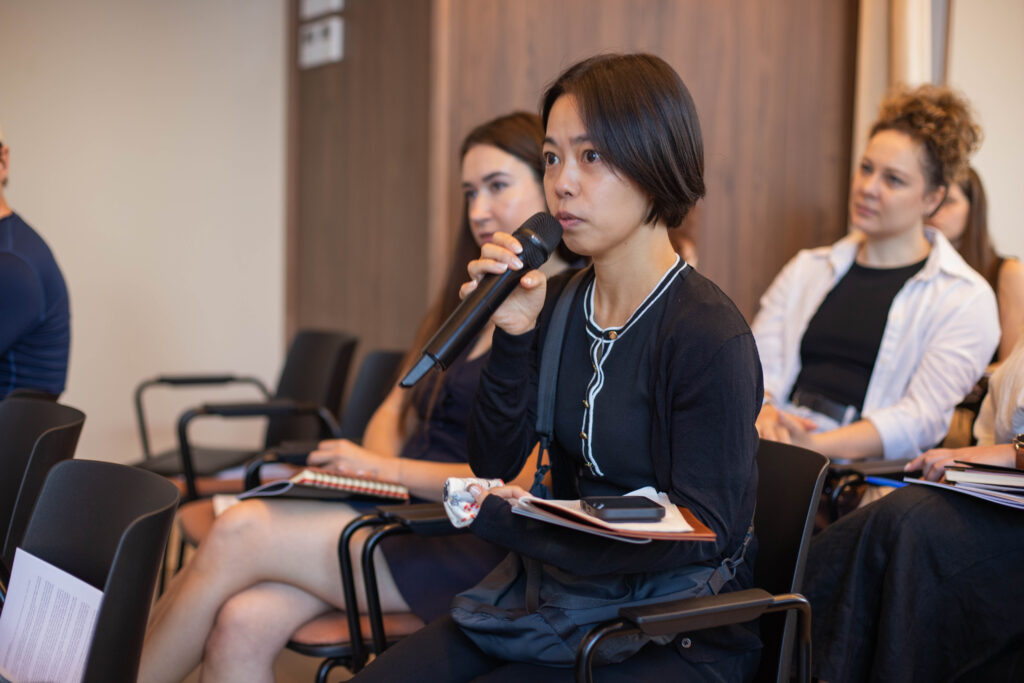
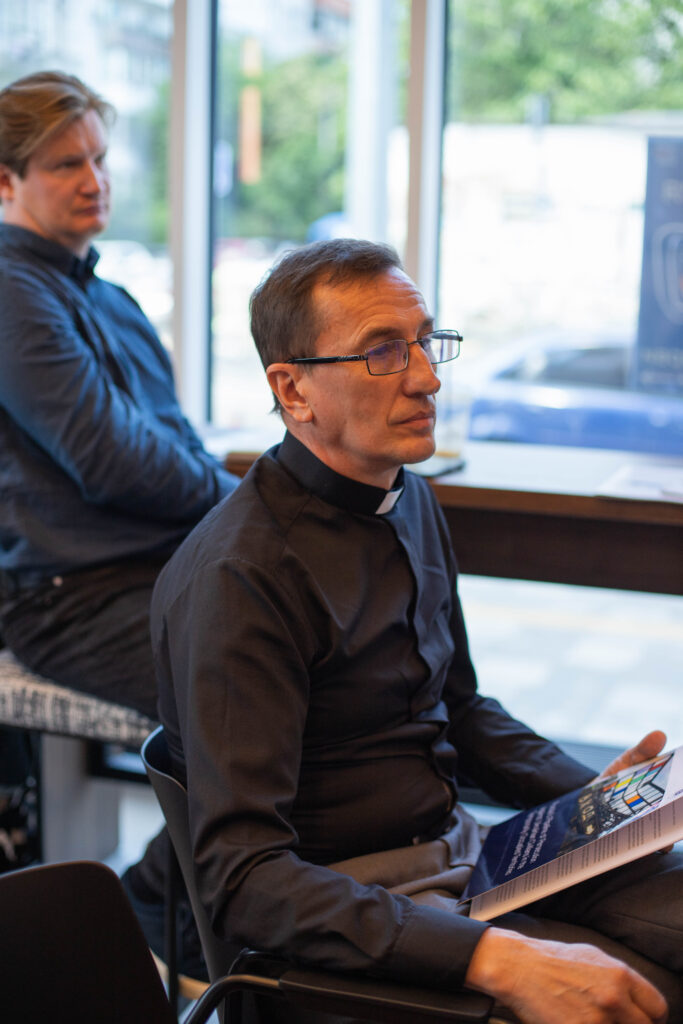
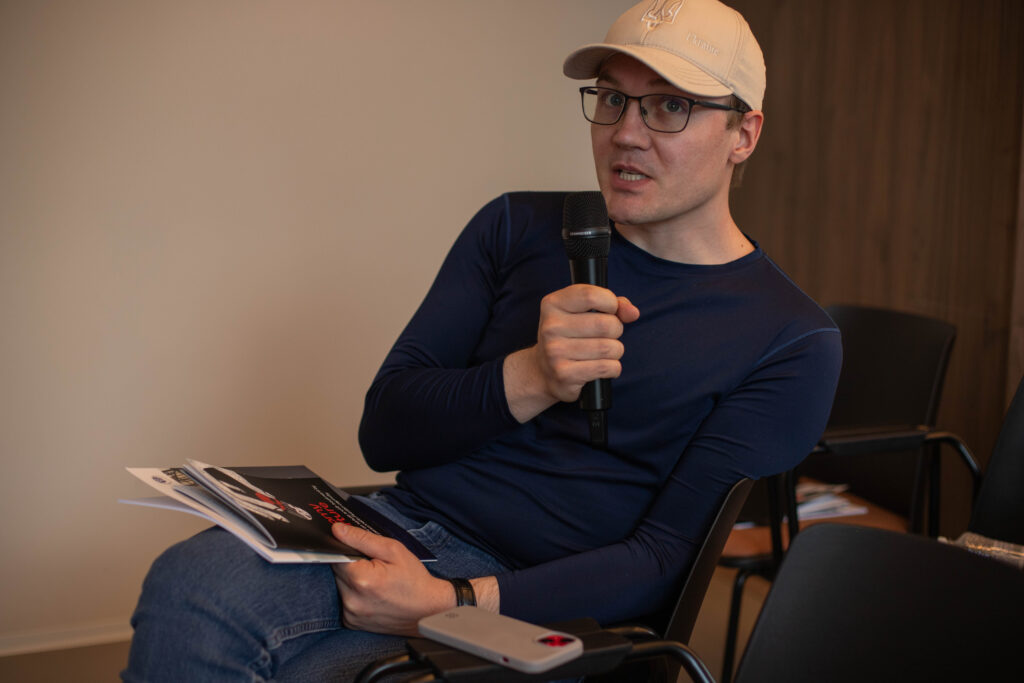
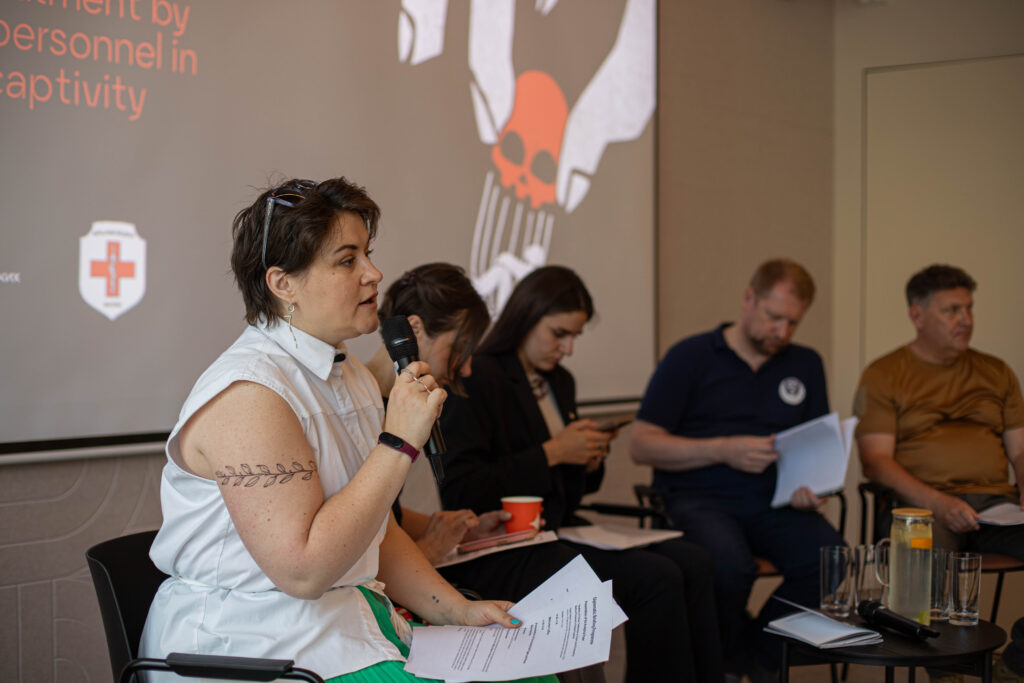
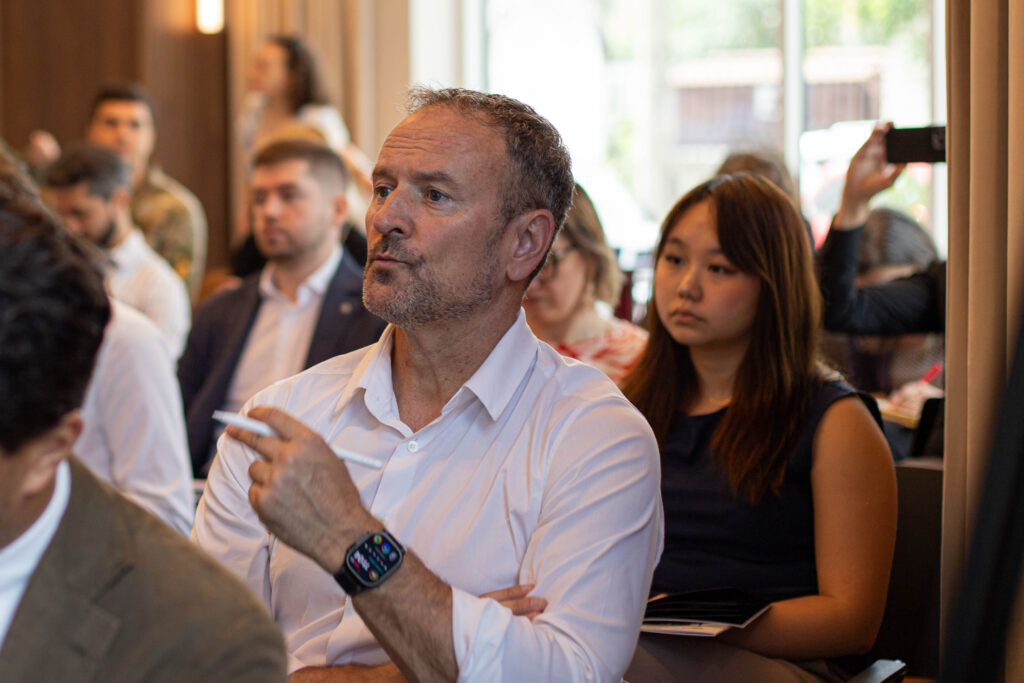
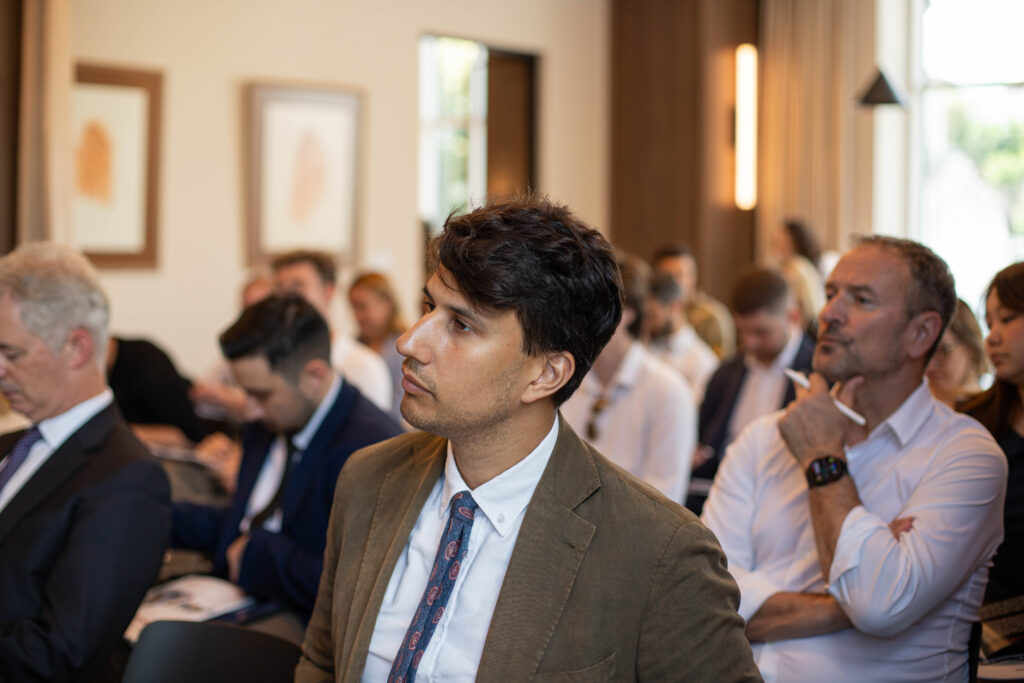
On 24 June in Kyiv, the Center for Civil Liberties presented the analytical study «Anatomy of Torture: testimonies on torture and ill-treatment by medical personnel in Russian captivity», examining violations of the right to medical care of Ukrainian prisoners of war and unlawfully detained civilians, as well as the role of Russian medical personnel in the system of torture in places of detention.
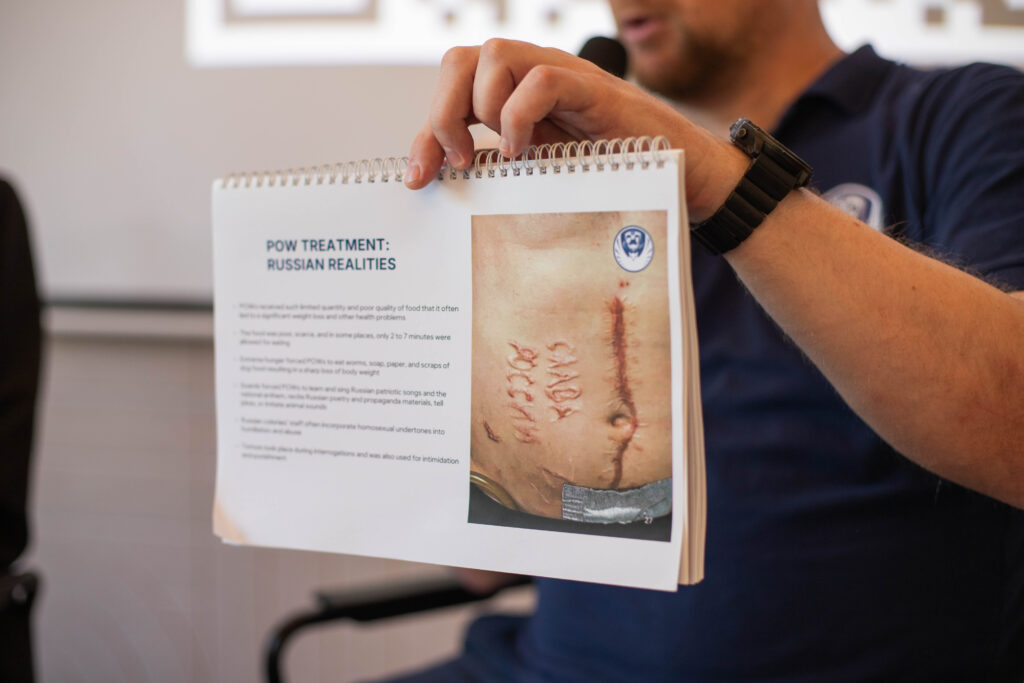
The analytical study, prepared by the Center for Civil Liberties and the NGO Military Medics of Ukraine, contains testimonies collected through the documentation of cases of Ukrainian prisoners of war and unlawfully detained civilians released from Russian captivity. It also provides a legal assessment of the situation and offers several practical recommendations. The study proposes looking at the use of medicine as one of the least studied instruments of violence within Russia’s system of abuse against Ukrainians.
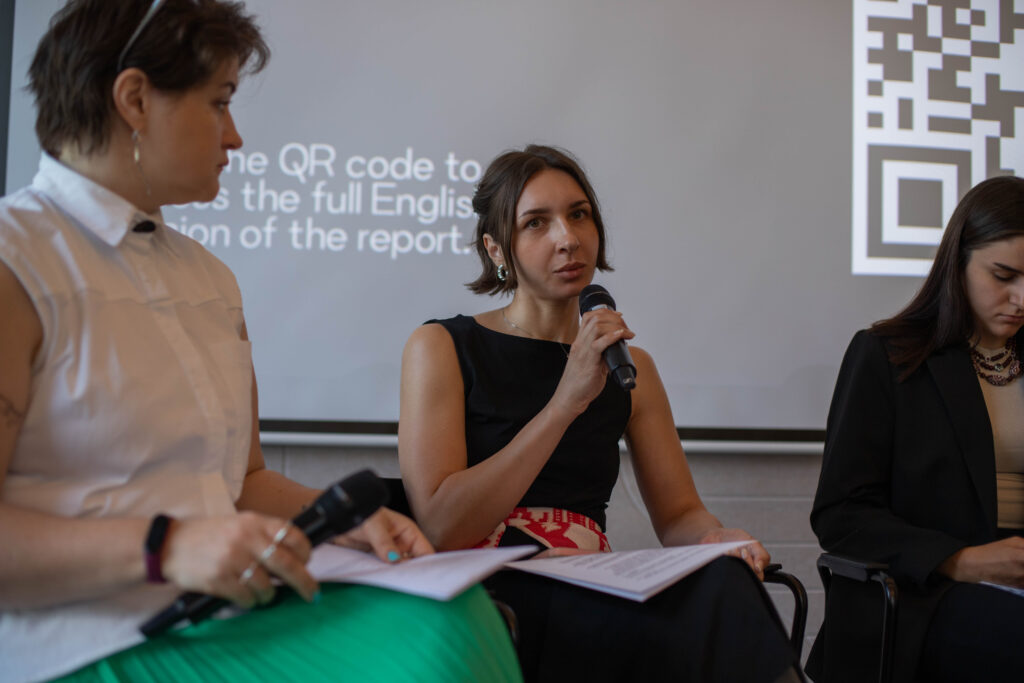
The speakers at the presentation were Oleh Martynenko, resident expert at the Center for Civil Liberties and co-author of the study; Oleh Hushchyn, representative of the Coordination Headquarters for the Treatment of Prisoners of War; Anastasiia Savova, daughter of the released Ukrainian serviceman Oleksandr Savov; and Sofiia Krokhmaliuk, daughter of Oleksandr Krokhmaliuk, the head of the medical service of the Azov Brigade, who died in Russian captivity. The event was moderated by Oleksandra Romantsova, Executive Director of the Center for Civil Liberties.
The analytical study documents violations of the Geneva Declaration, adopted by the World Medical Association, the World Medical Association’s International Code of Medical Ethics, the Third Geneva Convention relative to the Treatment of Prisoners of War, and even the national legislation of the Russian Federation.
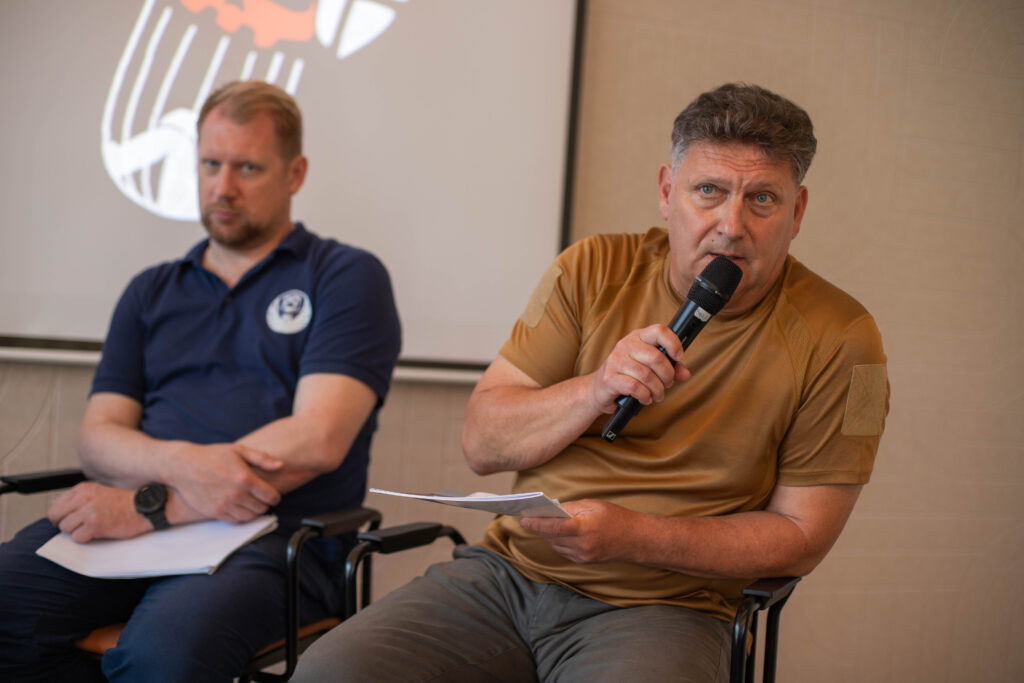
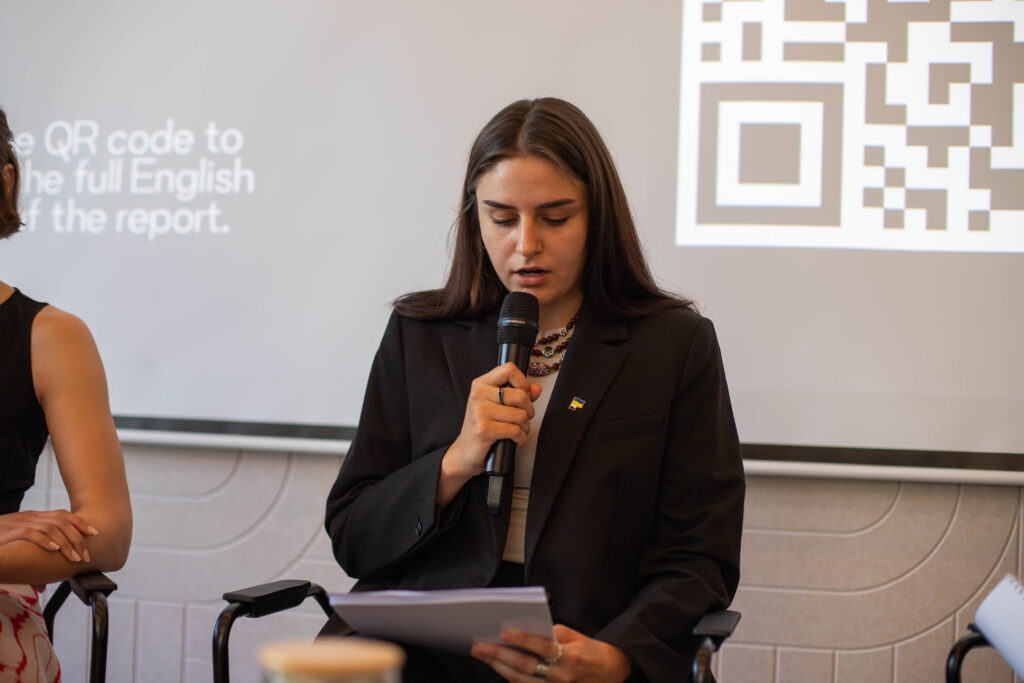
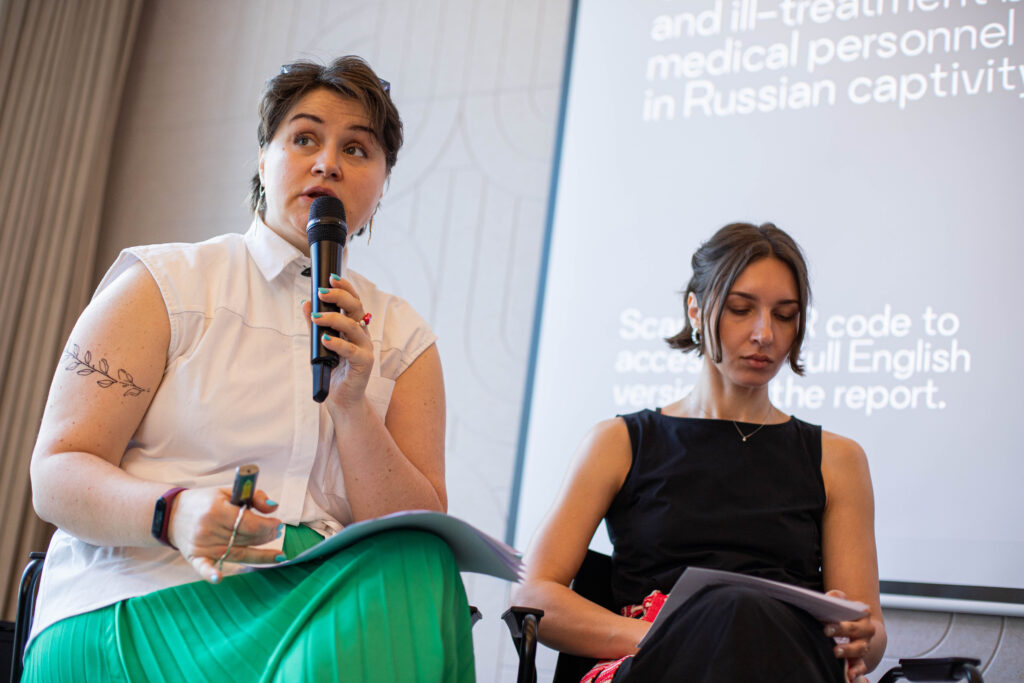
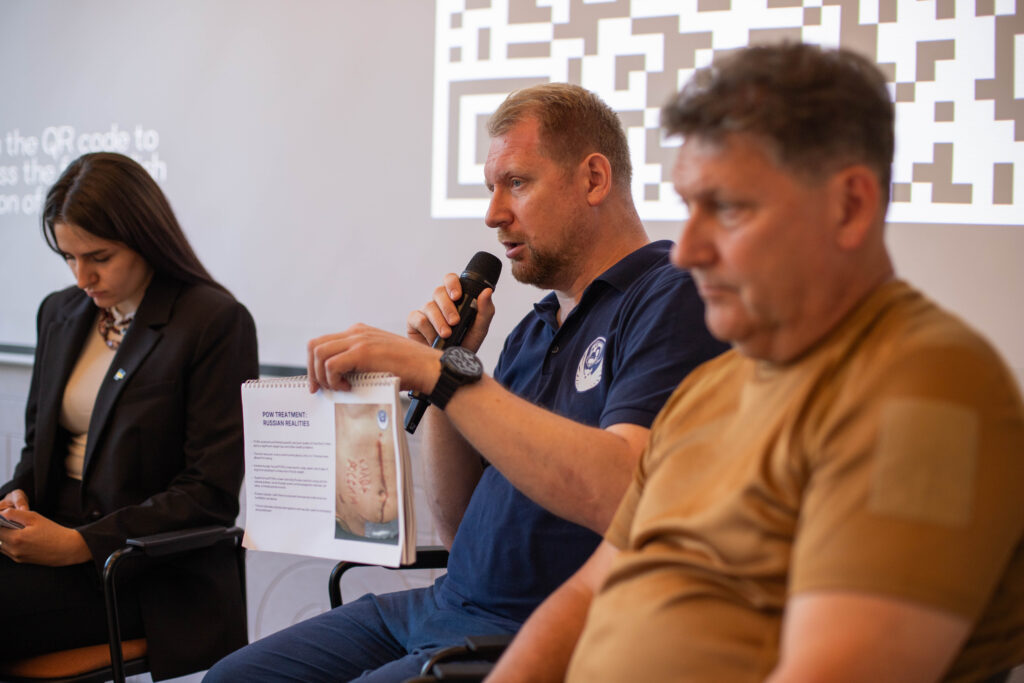
“We can fully trust these testimonies for two reasons. Firstly, there are simply too many of them to ignore. Our report includes only the most typical and awful cases. But most Ukrainians, released from captivity, report extremely inadequate medical care. Secondly, some of our witnesses are Ukrainian military medics who are qualified enough to conduct a professional assessment of the quality of medical care. This allows us to reasonably conclude that the medical ethics misconduct and the various facts of ill-treatment by medical staff are driven not by individual motivation only, but with a specific state policy,” said Oleh Martynenko.
“We know of more than 300 places of detention on the territory of Russia and the temporarily occupied territories of Ukraine. None of them is a conventional prisoner-of-war camp in accordance with the Geneva Conventions. These are places of torture, ill-treatment, and inhumane conditions. It can be said that they are places of death,” noted Oleh Hushchyn.
Sofiia Krokhmaliuk shared her personal experience of losing her father: “Now I know for certain that my father is dead. And not just dead — he was murdered. I know exactly who did it. I know his face. He looks like an ordinary person, a little older than me. He has a family, he has a daughter. I often think that on the day he killed my father, he probably went home, had dinner with his family, and watched TV. The most horrifying part is that this [the death of Sofiia’s father — ed. note] was not a mistake. We know of at least three servicemen who were held in Rostov and whom he killed. We cannot even bring their bodies back — their bodies are still in Russia to this day. My father’s body was returned to Ukraine. When it was returned, it had been severely mutilated. After his death, his body was disfigured to such an extent that virtually only his bones remained. Yet even these remains testify to one thing: he did not die from illness or natural causes. He was murdered.”
“Release from captivity does not mean the end of the crime. For many people, its consequences last until the final day of their lives,” emphasized Anastasiia Savova, daughter of the Ukrainian serviceman Oleksandr Savov, who was released from Russian captivity. Oleksandr Savov spent more than 1,000 days in Russian captivity and returned home on 19 March 2025. However, the consequences of what he endured proved irreversible. On 16 November of the same year, he died of heart failure. He was 46 years old.
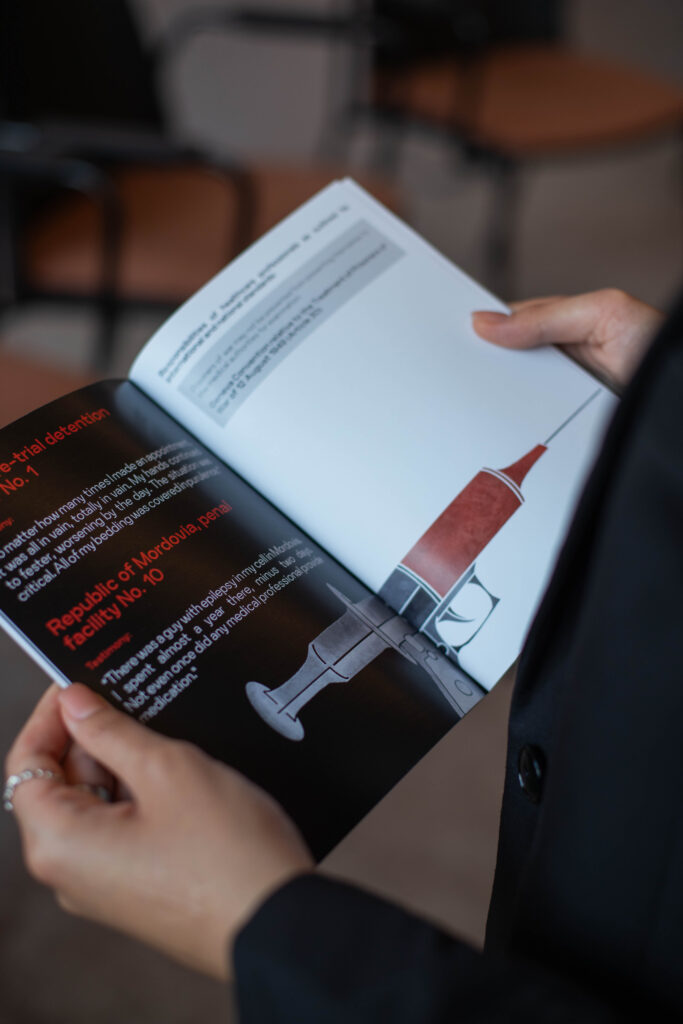
The analytical study «Anatomy of Torture: testimonies on torture and ill-treatment by medical personnel in Russian captivity» is available at the following link.
Author: Alina Khmil, participant in the Center for Civil Liberties’ Communications Practical Program.

The presentation was organized with the financial support of the European Union. Its contents are the sole responsibility of the Center for Civil Liberties and do not necessarily reflect the views of the European Union.